
ETA Meaning Explained: What It Stands For & How Americans Use It Daily
The term ‘ETA’ is often tossed around in meetings and delivery notifications, but do you really know what it signifies? As one of the cornerstones of project management and logistics, understanding “ETA meaning” in both business and delivery is essential for modern professionals.
This article will take you on a journey through its historical roots, offering clarity and insight that can enhance your communication and organizational skills. Get ready to unlock the deeper significance behind those three little letters.
How Americans Use ETA in Everyday Life, Work, and Travel
ETA is widely used in the United States because it makes time communication simple, fast, and clear. Instead of guessing arrival times, people rely on real-time estimates in daily situations, work environments, and travel planning.
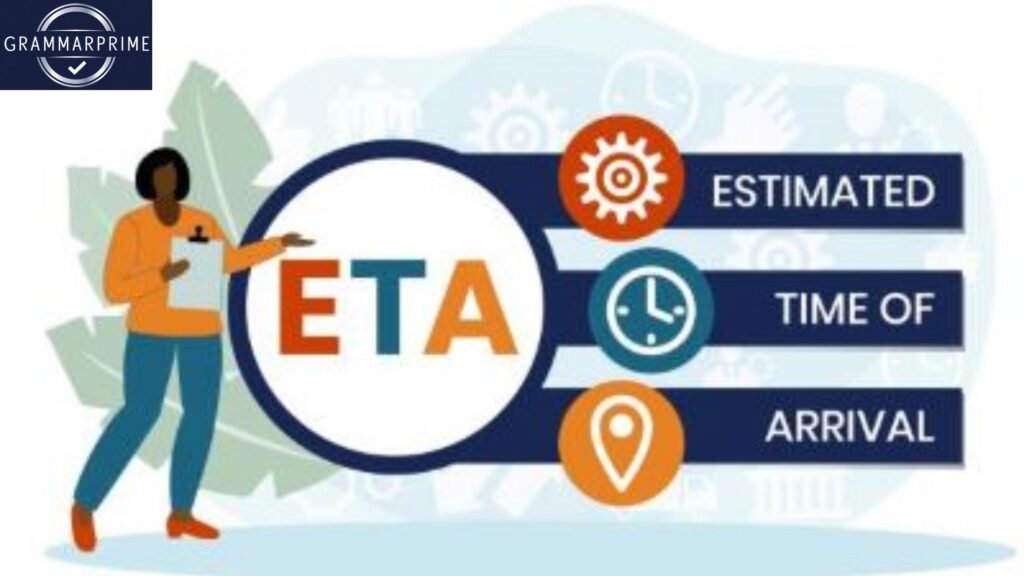
In everyday life, ETA helps people stay organized and avoid confusion when meeting others or waiting for services.
- Checking arrival time on Google Maps or Waze
- Asking friends “What’s your ETA?” before meeting
- Tracking food delivery apps like Uber Eats or DoorDash
- Planning meetups without unnecessary waiting
In workplaces, ETA is a key part of communication and project management. Teams use it to stay aligned and avoid delays.
- Managers ask for ETA on reports or tasks
- Teams update progress using estimated completion times
- Clients are informed about delivery or project timelines
- Remote teams coordinate across different time zones
Travel is another major area where ETA is heavily used. From flights to road trips, it helps people stay informed about timing changes.
- Airlines update passengers about arrival delays
- GPS apps adjust ETA based on traffic conditions
- Ride-sharing apps show live arrival times
- Shipping companies provide delivery estimates
Overall, ETA has become a practical communication tool that helps Americans manage time more effectively in daily life, professional work, and travel situations.
ETA Meaning in Text Messages, Emails, and Professional Communication
ETA, short for “Estimated Time of Arrival”, is no longer limited to travel or logistics. It has become a common part of digital communication where people use it to share timing updates quickly and clearly in both personal and professional conversations.
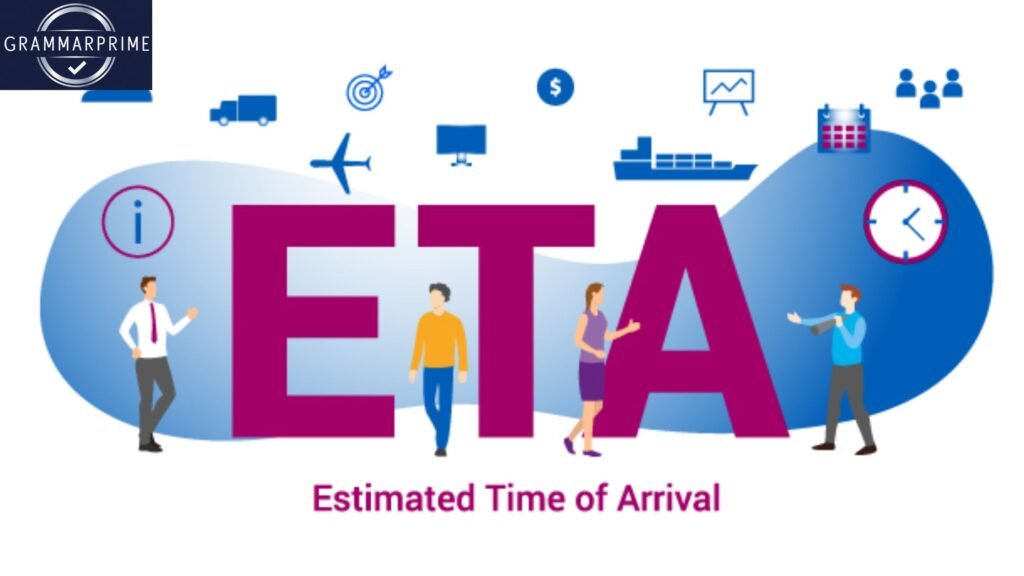
In text messages, ETA is often used to give quick updates about arrival or availability. It helps avoid confusion and keeps conversations direct.
- “What’s your ETA?” when waiting for someone
- “My ETA is 10 minutes” during travel or commuting
- “Running late, new ETA is 6:30” to update plans
- Used in casual chats to reduce back-and-forth messages
In emails and workplace communication, ETA becomes more structured and professional. It helps teams stay aligned on deadlines and expectations.
- Project managers share ETA for task completion
- Teams provide ETA for reports, updates, or deliverables
- Clients are informed about ETA for products or services
- Helps maintain transparency in remote or fast-paced work environments
In professional settings, using ETA also builds trust and accountability. When someone provides a clear estimate, it shows responsibility and respect for other people’s time.
- Strengthens team coordination
- Reduces misunderstandings about deadlines
- Improves workflow planning
- Creates a more transparent communication culture
The Difference Between ETA and Other Time-Related Acronyms You Should Know
Time-related acronyms are widely used in travel, shipping, and business communication, and while ETA is the most common, it is only one part of a larger system of timing terms. Understanding the difference helps avoid confusion and improves clarity in everyday communication.
ETA (Estimated Time of Arrival) tells you when something or someone is expected to arrive. But other acronyms are used for different stages of a journey or process.
Here are the most important ones:
- ETA (Estimated Time of Arrival) → When something arrives
- ETD (Estimated Time of Departure) → When something leaves
- EDD (Estimated Delivery Date) → When a package is expected to be delivered
- ETS (Estimated Time of Shipping) → When an item is expected to be shipped
Each term serves a different purpose depending on the situation, especially in logistics, travel, and online shopping.
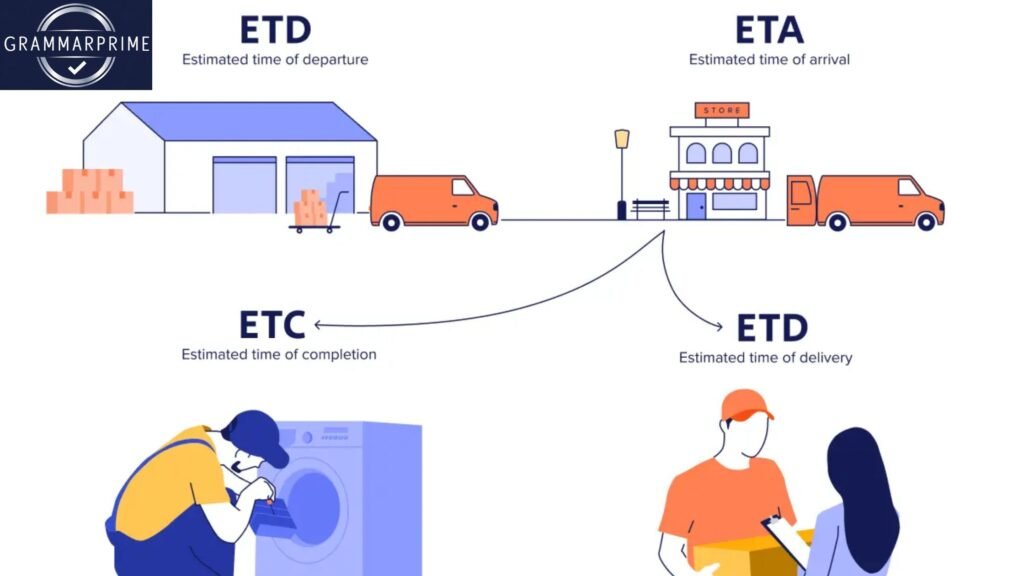
- In travel, ETD tells you when a flight departs, while ETA tells you when it lands
- In shipping, ETS shows when a product leaves the warehouse
- In e-commerce, EDD helps customers know when they will receive their order
Understanding the difference helps you plan better and avoid misunderstandings, especially when dealing with flights, deliveries, or work deadlines where timing is critical.
Explore Plancha Meaning Explained: The Ultimate Guide to Flat-Iron Cooking in 2026
Common Mistakes People Make When Using ETA and How to Avoid Them
When diving into the world of Estimated Time of Arrival (ETA), people often overlook the importance of context. One common mistake is relying on a single ETA calculation without considering factors like traffic or weather. To avoid this, always:
- Check real-time updates: Use navigation apps that factor in live conditions.
- Plan for contingencies: Build in an extra cushion of time, especially for important meetings.
Another frequent error is assuming that an ETA is set in stone. Unexpected delays can occur, so instead of fixating on a specific time, stay flexible. Cultivate a mindset of adaptability by:
- Communicating proactively: If you’re running late, let others know as soon as possible.
- Embracing patience: Use waiting times productively, like catching up on emails or enjoying a few moments of mindfulness.
By recognizing these pitfalls and adjusting your approach, you can navigate your schedule more effectively and reduce stress.
Real-World Examples of ETA That Show Exactly How the Term Works in Context
- E-Commerce Insights: Imagine a customer browses an online store but abandons their cart. Using ETA, the retailer sends a personalized email reminder with a discount code. This nudge can turn a potential loss into a sale, showing how effective timing can influence shopping behaviour.
- Healthcare Applications: In hospitals, nurses use ETA to anticipate patients’ needs. For example, if a patient is post-surgery, staff might provide comfort items like a blanket or pain relief just before the patient asks. This proactive approach enhances patient satisfaction and shows how understanding timing can elevate care.
- Social Media Strategy: Consider a brand planning a product launch. By analyzing when their target audience is most active online, they time their posts for maximum engagement. This strategic use of ETA not only boosts visibility but also fosters a deeper connection with followers, revealing that understanding when to engage can be just as crucial as the content itself.
Conclusion
“ETA” serves as a vital tool in American communication, embodying the need for clarity regarding time expectations. Its versatility allows it to span various situations, from casual chats to professional updates, making it a staple in our daily conversations.
As you navigate your daily life, remember the significance of ETA meanings and its impact on effective communication. Let’s make the most of this simple yet powerful term in your daily exchanges.
FAQ’s About ETA Meaning
What is ETA Short for?
ETA is short for “Estimated Time of Arrival”.
What Does ETA Mean in a Text Message?
In a text message, ETA typically refers to the estimated time someone will arrive at a specified location.
What is the ETA for Delivery?
The ETA for delivery specifies when a package or item is expected to arrive at its destination.
What is an ETA in Work?
In a work context, ETA indicates the estimated time required to complete a task or project.