DC Meaning in Text: What It Really Means in Messages and Social Media
If you have ever received a message with just “DC” and felt confused, you are not alone. Texting shortcuts are everywhere now. People use short forms to reply faster, save time, and keep conversations casual. One abbreviation that often leaves people wondering is DC.
So, what is the real DC meaning in text?
The simple answer is that DC can have different meanings depending on the context of the conversation. In most casual chats, it usually means “Don’t Care” or “Disconnected.”
In this guide, you will learn exactly what DC means, how people use it in texting, examples of real conversations, and how to reply when someone sends it.
By the end, you will never feel confused when you see DC in a message again.
What Does DC Mean in Text?
In everyday texting, DC most commonly stands for “Don’t Care.” It is a quick, casual way to express indifference toward something. Think of it as a shorthand version of saying “it doesn’t matter to me” without typing it all out.
For example:
Person A: “Should we order pizza or pasta tonight?” Person B: “DC, either one works.”
Here, DC is relaxed and neutral. It is not rude in this context. It is just someone being easy-going.
But the same two letters can take on very different meanings depending on which platform you are using or who is using them. That is the part most people miss.
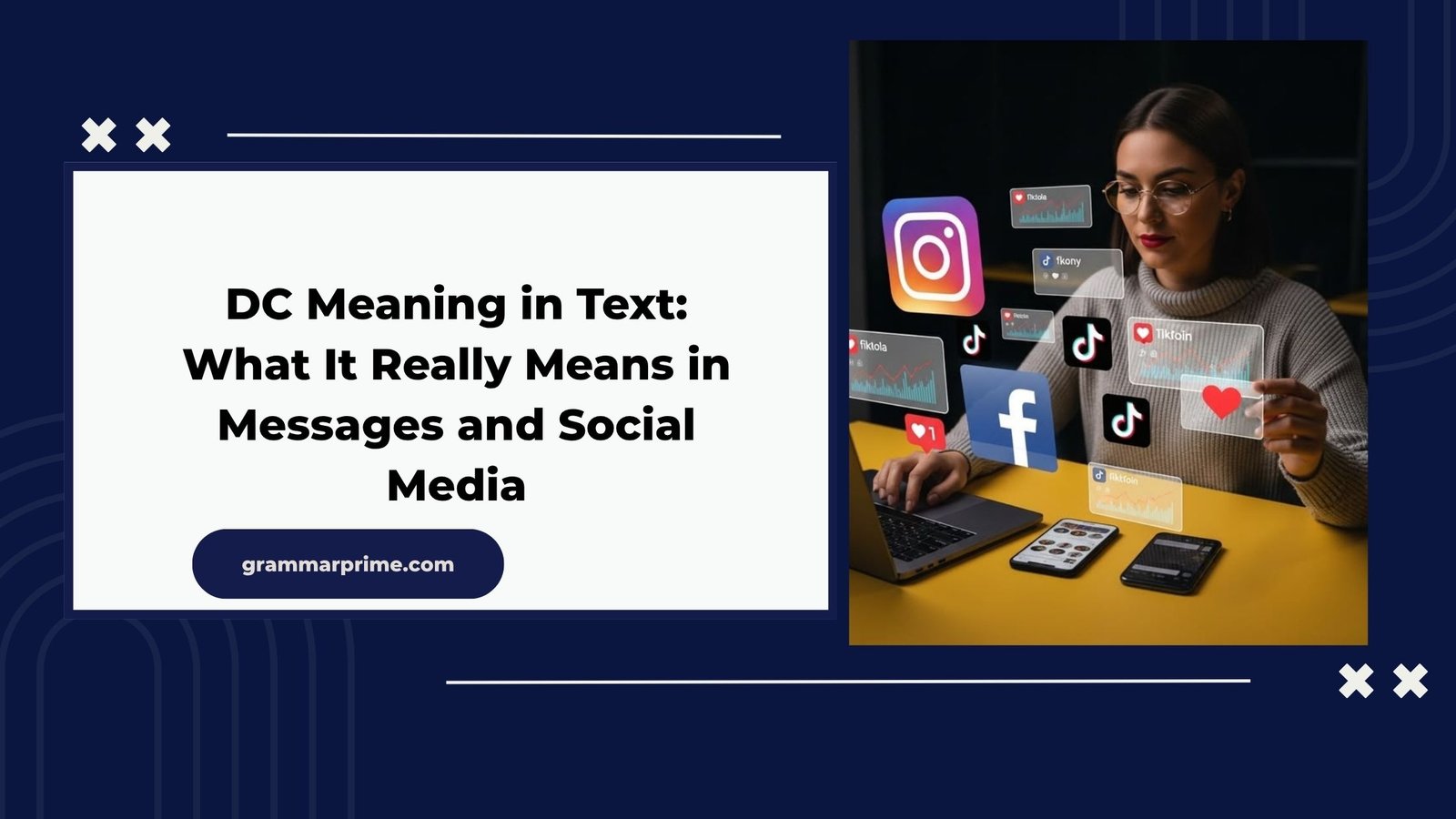
DC Meaning in Text on Social Media
Different platforms carry different defaults when it comes to DC:
WhatsApp and iMessage:

DC almost always means Don’t Care. It is used casually in personal chats among friends.
TikTok:
DC is overwhelmingly used as Dance Credit. If you see it in a video caption next to a username, that is what it means.
Discord and Gaming Chats:
DC means Disconnect. This is the standard across most gaming communities and has been for decades.
Instagram Comments:
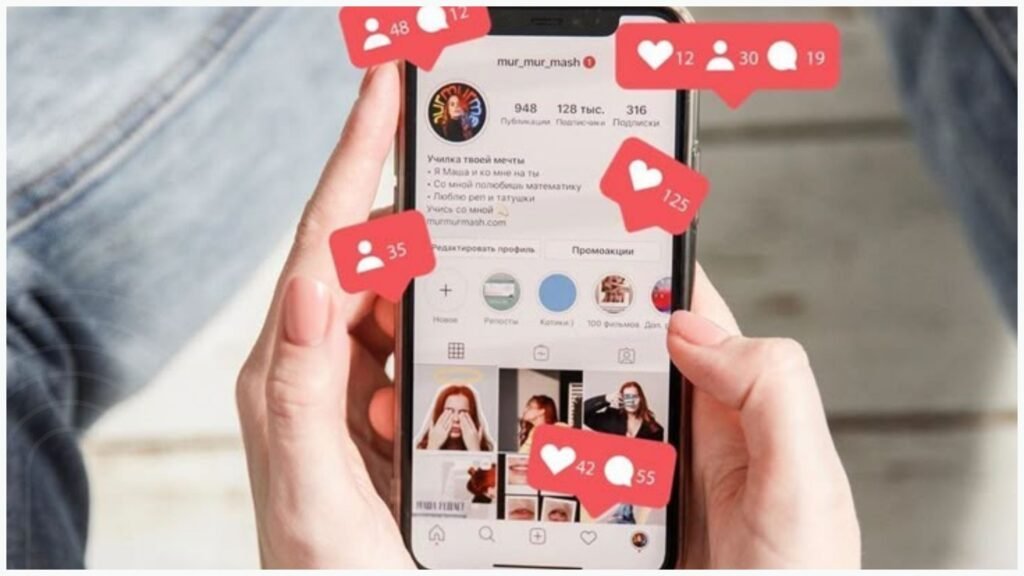
DC occasionally appears as Don’t Care, but it is less common. Sometimes people use it to mean “Direct Message,” though DM is much more standard for that.
Twitter (X) and Threads:
Usage is mixed, but Don’t Care tends to be the dominant interpretation in casual posts.
How to Know Which Meaning of DC Is Being Used
The easiest way to figure out the DC meaning in text is to look at the conversation.
Ask yourself:
- What is the topic?
- Is it a casual text?
- Is it a gaming conversation?
- Is it on social media?
Here are some quick clues.
- If someone is answering a question casually, it likely means Don’t Care.
- If someone suddenly disappears from a game or call, it likely means they have disconnected.
- If it appears in a TikTok caption, it may mean Dance Credit.
- Reading the full message helps avoid confusion.
DC vs IDC: What Is the Difference?
A lot of people use DC and IDC interchangeably, but they are not exactly the same.
IDC, which stands for “I Don’t Care,” is more direct and personal. It specifically refers to the speaker’s own feelings. DC is broader and slightly more detached. It can describe a general attitude or simply signal that something is not worth debating.
In practice:
“IDC what they think.” (I personally do not care.) “DC, just pick a movie.” (No strong preference either way.)
The emotional weight is similar, but IDC carries a stronger first-person tone. DC feels more casual and less confrontational in most cases.
Why People Use Short Forms Like DC
Text abbreviations became popular because they make conversations faster.
People like quick replies.
Instead of typing:
“I do not really care which one we choose.”
They simply write: DC
It saves time and keeps chats casual.
This trend started with SMS texting and has carried over into modern messaging apps.
Real Chat Examples of DC Meaning in Text
Here are some real-life examples.
Example 1
Alex: Pizza or burgers?
Sam: DC
Meaning: Sam does not mind.
Example 2
Mike: Why did you leave the match?
John: I DC’d
Meaning: John got disconnected.
Example 3
Emma: Which dress looks better?
Sara: DC, both are nice
Meaning: Sara has no strong preference.
Common Alternatives to DC
If you want clearer wording, use:
Instead of DC for “Don’t Care”
- Either works
- I am fine with anything
- Your choice
- No preference
Instead of DC for “Disconnected”
- Lost connection
- Got disconnected
- Internet dropped
These alternatives sound more natural in many situations.
Is DC Rude to Use?
It depends on how and where you use it. Among close friends, saying DC is perfectly fine. It is relaxed and casual. But in a heated argument or a serious conversation, dropping a “DC” can come across as dismissive or even cold.
It is also worth avoiding DC in any professional setting. Sending your manager or a client “DC” in response to feedback is not a good look, even if you mean it in the most neutral way possible.
As a general rule, know your audience before using it.
Conclusion
DC is one of those abbreviations that looks simple but carries a lot of weight depending on where you encounter it. In everyday texting, it usually means Don’t Care. In gaming, it signals a Disconnect. On TikTok, it is all about giving Dance Credit to the original creator. And sometimes, it just means the city.
The key to reading DC correctly is the same as reading most internet slang, which is knowing the platform and reading the tone. Once you have that down, those two letters become a lot less confusing.
Frequently Asked Questions
What does DC mean in a text from a friend?
Most likely, it means Don’t Care. They are expressing indifference or saying they have no strong preference about something you brought up.
What does DC mean on TikTok?
On TikTok, DC stands for Dance Credit. It is placed in captions to give credit to the original creator of a dance or choreography.
What does DC mean in gaming?
In gaming and online communities, DC means Disconnect or Disconnected. It means a player lost their internet connection or was removed from a game server.
Is DC the same as IDC?
Not exactly. IDC specifically means “I Don’t Care” and is more personal. DC is broader and can also mean Disconnect or Dance Credit depending on context.