Decoding the Digital Dialect: What Does “Mean in Text” Really Mean? (The Ultimate 2026 Guide)
We have all been there. You are staring at your phone, squinting at a three-letter acronym or a cryptic sequence of symbols sent by a friend, coworker, or dating app match. Your brain instantly starts spinning its wheels as you wonder: “Wait… what does this phrase actually mean in text?”
In our hyper-connected digital world, messaging isn’t just a way to exchange information—it is a distinct language with its own grammar, unspoken rules, and emotional undertones. When someone searches for or asks what a specific term or emoji can mean in text, they aren’t looking for a dry, literal dictionary definition. They are looking for the subtext, the tone, and the social currency behind the digital screen.
This comprehensive guide breaks down the hidden mechanics of modern messaging. By understanding what different symbols and phrases mean in text, you will be able to decode any message with confidence, dodge awkward misunderstandings, and match the vibe of any chat effortlessly.
1. The Core Anatomy of What Messages “Mean in Text”
At its absolute baseline, asking what a phrase or shortcut will mean in text is an attempt to translate digital shorthand into human emotion. Because typed messages lack vocal inflection, facial expressions, and physical body language, we rely on a complex system of abbreviations, punctuation styles, and emojis to inject tone back into our words.
The Digital Translation Gap:
- Literal Text: “Yeah, that’s fine.” (Sounds perfectly agreeable on paper.)
- What it can mean in text: “I am mildly annoyed but don’t want to start an argument, or I am incredibly busy and trying to wrap up this conversation quickly.”
When you break down what an expression is supposed to mean in text, you are looking for three core elements:
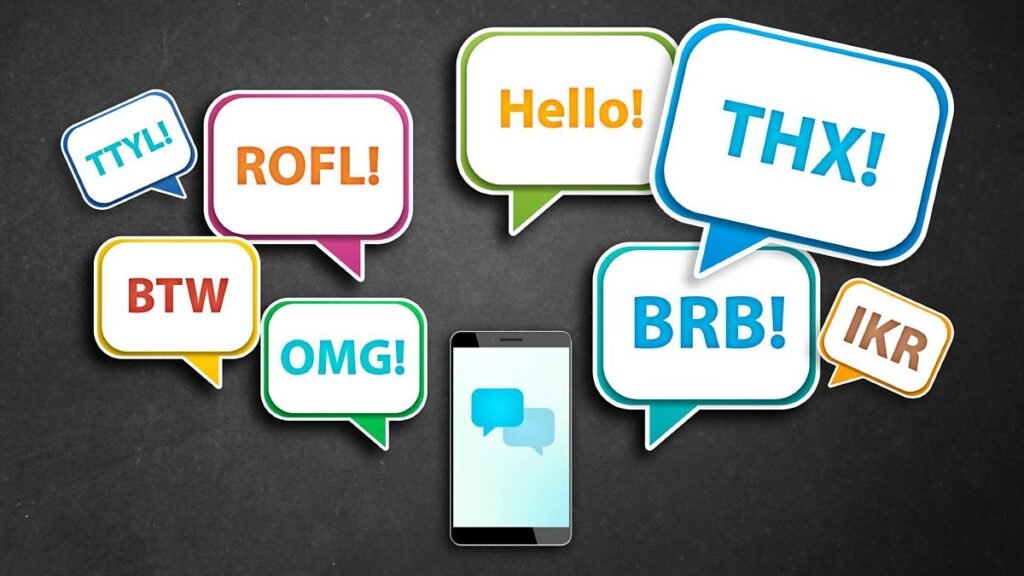
- The Literal Translation: The actual words behind the acronym (e.g., understanding what BRB is supposed to mean in text simply requires knowing it stands for Be Right Back).
- The Tone and Vibe: The emotional weight of the message, figuring out if the sender is being sarcastic, urgent, flirty, or passive-aggressive.
- The Social Context: How the core translation changes based on who sent it and where it was sent (e.g., what a phrase will mean in text on Slack vs. TikTok vs. iMessage).
2. From SMS to 2026: The Evolution of Meaning in Text
To understand why everyday phrases can mean in text something entirely different from their spoken equivalents, we have to look at how digital communication evolved. The digital dialect has evolved through three distinct generational waves:
The Early SMS Era (2000s)
Driven strictly by character limits and tedious T9 mobile keypads. During this time, what short phrases would mean in text was purely practical. We used abbreviations like LOL, BRB, and OMG because typing full words was literally expensive and time-consuming.
The Social Media Boom (2010s)
As platforms like Instagram, Snapchat, and WhatsApp took off, the concept of what things mean in text became highly visual. Emojis evolved from simple smileys into complex stand-ins for full sentences, changing the benchmark for how we interpret digital messaging.
The Nuanced Era (2020s–2026)
Today, we have unlimited characters and advanced voice-to-text features, yet our shorthand is more complex than ever. We no longer use abbreviations just to save time. Instead, what keywords mean in text today is about curating a specific aesthetic, signaling generational identity, and layering messages with irony, detachment, or deep empathy.
Read more about Carino Meaning: The Ultimate Guide to the Ultimate Word for Affection
3. The 6 Dimensions of What Messages Mean in Text
To truly master text translation, you must recognize that a single message operates on multiple levels of intent. Here are the six primary categories that dictate what words and symbols mean in text:
I. Literal Meaning
This is the baseline dictionary definition of the words or the direct translation of an acronym. For example, learning what IDK is supposed to mean in text reveals the simple phrase, “I don’t know.”
II. Slang & Abbreviation Meaning
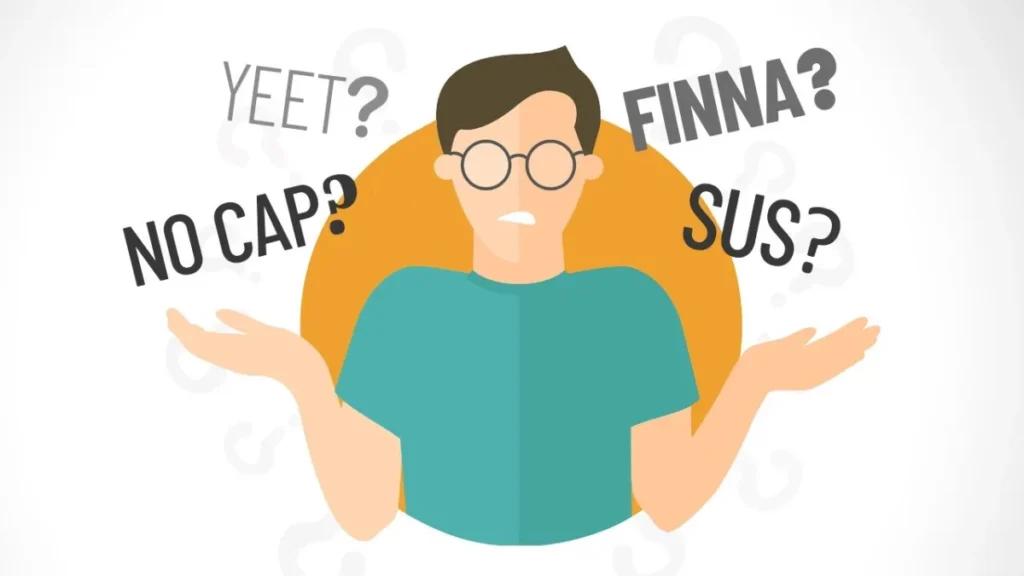
Pop-culture and internet-driven shortcuts that evolve rapidly. These terms act as social markers; using them correctly signals that you are “in the loop.” Knowing what terms like ghosting or tea mean in text requires keeping up with active online communities.
III. Punctuation-Based Subtext
In modern messaging, punctuation is rarely just about grammar—it is an emotional volume dial that alters what phrases mean in text.
- The Period: Ending a short message with a period (e.g., “Sure.”) often signals finality, anger, or passive-aggression.
- No Punctuation: Signals a casual, relaxed, and low-stakes conversation.
- The Ellipsis (…): Can mean in text that the sender is hesitating, annoyed, or intentionally leaving a thought hanging.
IV. Sarcastic & Ironic Meaning
Words used to imply their exact opposite, heavily reliant on context or accompanying emojis. If someone says, “Oh, great 💀”, what those words mean in text is that something incredibly inconvenient just happened.
V. Flirty & High-Interest Signaling
Subtle linguistic cues used to hint at attraction or playfulness without being overly vulnerable. Lengthening words (“heyystiiillll”) or adding specific symbols changes what the greeting is designed to mean in text, shifting it from a platonic hello to a flirty signal.
VI. Emoji-Based Meaning (Abstract Emojis)
Emojis no longer simply mean what they look like on the screen. To understand what a graphic icon will mean in text today, you have to look at internet culture. The Skull (💀) emoji rarely represents death; it almost always means “I am dead from laughing.” Similarly, the Loudly Crying Face (😭) frequently represents extreme amusement rather than genuine sadness.
4. The 2026 Matrix: What Common Terms Mean in Text
When you are stuck on a specific phrase, refer to this quick-access translation matrix to decode what these popular terms mean in text, along with their hidden subtext and the best way to respond.
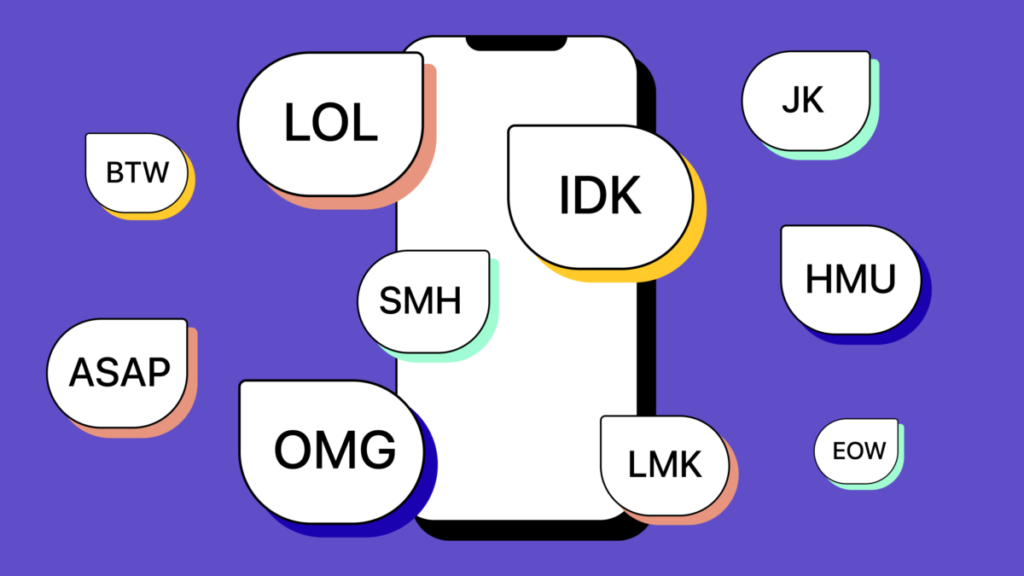
| Term / Emoji | Literal Translation | What It Can Mean in Text (The Vibe) | Best Response Strategy |
| LOL | Laugh Out Loud | Rarely means actual laughter. It usually signals “I’m keeping this conversation light” or acknowledges a joke without investing energy. | Match the casual energy. No need to send a long paragraph back. |
| BRB | Be Right Back | A polite way to pause a conversation without leaving the other person waiting. | A simple “K” or a thumbs-up emoji is perfect. |
| SMH | Shaking My Head | Signals mild disappointment, disbelief, or playful, casual judgment. | Play along with the drama or explain yourself humorously. |
| IDK | I Don’t Know | Indecision. What this can mean in text is a way to soften a statement so the sender doesn’t seem too demanding. | Offer a concrete suggestion to take the decision-making pressure off them. |
| K | Okay | Danger zone. A single letter “K” almost always signals annoyance, frustration, or a sudden desire to end the chat. | Keep it brief, or ask if everything is cool if you suspect underlying tension. |
| 💀 | Skull Emoji | Dead | What the skull is used to mean in text is intense amusement or being completely overwhelmed by a funny situation. |
| 😭 | Crying Face | Crying | Often used to mean in text that something is incredibly dramatic, hilarious, or cuteness overload. |
| WIP | Work in Progress | Standard professional shorthand used to manage workflow expectations. | Acknowledge the timeline and give them space to finish the task. |
| No worries | Don’t stress | “Seriously, don’t worry about it.” It serves as a relaxed, friendly way to clear the air. | Send a quick “Thanks!” and move forward naturally. |
5. Real-Life Case Studies: Decoding Textual Subtext
Let’s look at some common, real-world messaging scenarios where analyzing what words mean in text makes all the difference in communication.
Scenario A: The Professional Workplace Chat
Manager: “Do you have a second? Need to chat about the Q3 deck asap.”
- The Panic Interpretation: “I am about to be let go. What did I do wrong?”
- What it actually means in text: In a professional context, “ASAP” simply signals a current business priority, and asking if you have a second is a professional courtesy to ensure they aren’t disrupting a deep-work block.
- The Playbook Response: “Yes, free now! Here is the link to the call: [link]” or “In a meeting for 10 more minutes, will ping you the second I’m out!”
Scenario B: The Modern Dating App DM
Match: “Your dog is cute, i guess 🙄”
- The Literal Interpretation: “They think my dog is cute but they seem visibly annoyed by it.”
- What it actually means in text: This is classic playful opposition or teasing. The eye-roll emoji combined with a mild compliment is a flirting technique designed to get you to defend your pet playfully.
- The Playbook Response: “I guess? He is an absolute king and demands an immediate apology. 🐶”
Scenario C: The Friend Group Chat
Friend A: “Are we still on for 7?”
Friend B: “I mean… I can try to make it work.”
- The Literal Interpretation: “They will make an effort to be there by 7 PM.”
- What it actually means in text: This specific combination is social code for “I am incredibly exhausted and secretly hoping you will cancel the plans, but I feel too guilty to say no outright.”
- The Playbook Response: “Honestly, if you’re tired we can totally reschedule! No pressure at all.”
6. The Psychology Behind What Messages Mean in Text
Why does digital communication cause so much background anxiety? Psychologists point to a structural phenomenon called negative print bias.
Without vocal warmth, physical posture, or facial cues, the human brain naturally defaults to interpreting neutral messages as slightly negative. If someone sends a message without clarifying what the words are supposed to mean in text, our minds automatically jump to a worst-case scenario.
Understanding this bias is the ultimate secret to becoming an effective digital communicator. By intentionally managing what your words mean in text—adding an emoji, a casual exclamation mark, or a friendly abbreviation—you prevent the recipient’s brain from filling the quiet space with unnecessary worry.
7. How to Ask for Clarification Without Ruining the Vibe
You don’t need to be an expert in every single emerging internet slang term to be great at messaging. The trick is knowing how to ask what a phrase is supposed to mean in text naturally, without making the conversation feel stiff, formal, or awkward.
- The Playful Route: “Wait, what does that term mean in text right now? Am I officially getting old? 😂”
- The Direct Route: “Clueless moment: what does that abbreviation stand for again?”
- The Safe Route: “Just to make sure we’re completely on the same page, do you mean [X] or [Y]?”
Asking for clarification doesn’t make you look out of touch; it shows that you genuinely care about understanding the other person’s true intent.
Conclusion: Mastering the Art of Text Interpretation
At the end of the day, decoding what different phrases, shortcuts, and emojis mean in text is about building better empathy and connection. Digital communication is a constantly shifting, living language. The terms, symbols, and underlying rules we use today will undoubtedly continue to change—and that is completely fine.
The next time you encounter an online message that makes you pause, don’t sweat it. Treat digital interaction like an ongoing, collaborative puzzle. Pay attention to the conversational context, match the energy of the person you are chatting with, and never be afraid to clarify what an unfamiliar phrase is supposed to mean in text. After all, trying to truly understand each other is the most human thing we can do—even when we are doing it through glowing glass screens.
8. Frequently Asked Questions
Is what abbreviations mean in text different across cultures?
Absolutely. While global platforms like TikTok have standardized a lot of internet slang, regional differences remain massive. What a shortcut is used to mean in text in western regions might be completely different from how it is interpreted in other areas, where local emojis, stickers, or unique cultural references dominate casual chats.
How do I know if a phrase is meant to mean in text something sarcastic?
Look for clear contradictions in the message. If someone pairs a highly positive statement with a deadpan emoji (“Amazing day at work 💀”), or uses exaggerated punctuation (“Oh, perfect…”), they are likely employing digital sarcasm. When you are genuinely unsure what the message is supposed to mean in text, a quick, lighthearted question will clear it up.
Why does a period at the end of a message feel so aggressive?
In formal documents, a period is just a structural necessity. But in casual messaging, where we press the “send” button to close a thought, the text bubble itself acts as the final punctuation mark. Adding a formal period at the end of a short phrase changes what the punctuation is inferred to mean in text, making it feel intentionally blunt or emotionally distant.