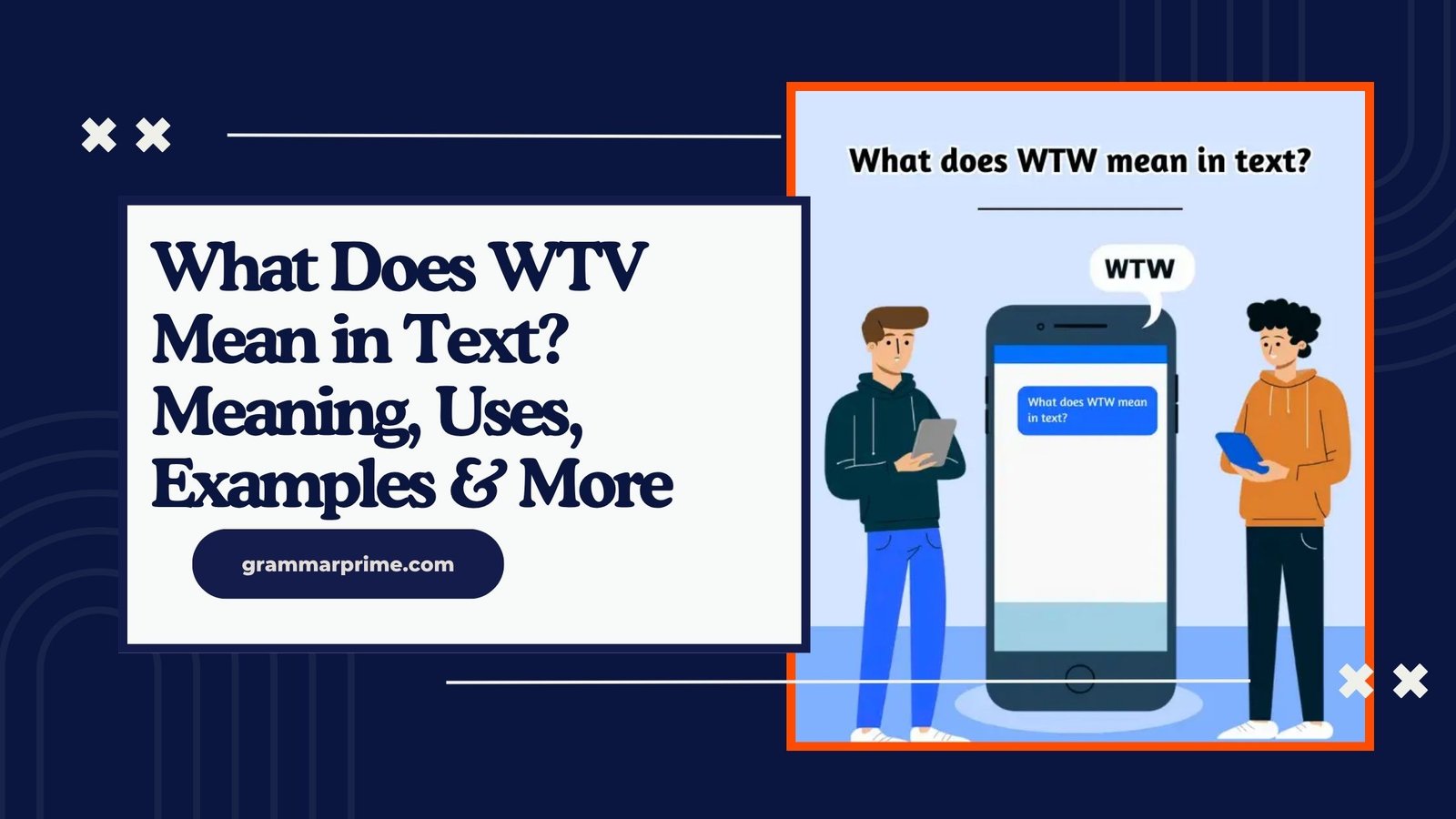
What Does WTV Mean in Text? Meaning, Uses, Examples & More (2026 Guide)
In the fast-paced world of texting, abbreviations can often leave us scratching our heads. What does WTV mean, and why should you care? This guide demystifies one of the internet’s most popular acronyms, shedding light on its origins and usage in contemporary conversations.
Understanding these abbreviations is essential for navigating social media and texting etiquette. By the end of this article, you’ll be well-equipped to incorporate “wtv” into your own messages or decipher what friends are trying to say.
What Does WTV Mean in Text?
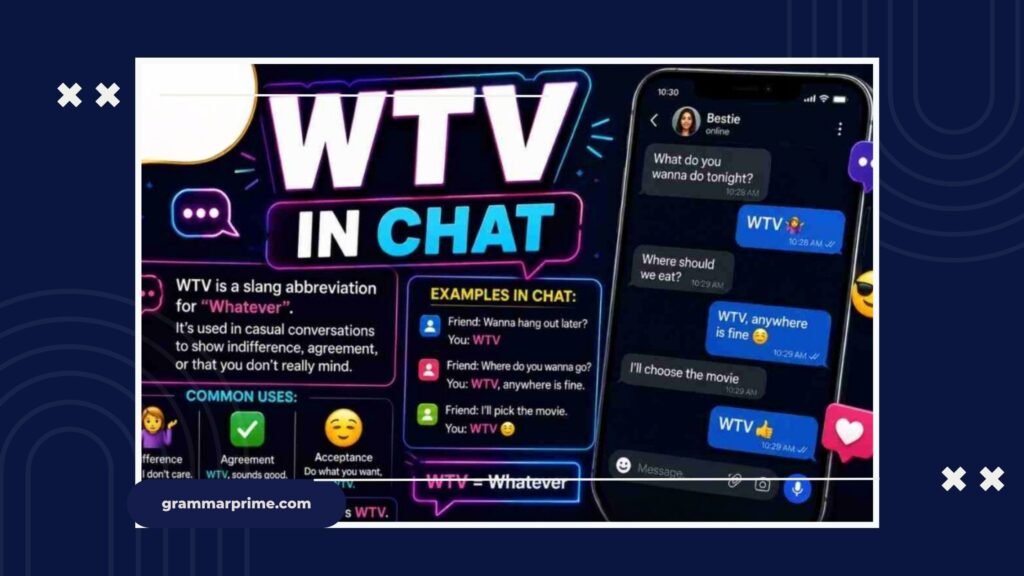
“WTV” is an acronym that has evolved in its use, initially gaining traction among younger generations in digital conversations. While many might interpret it as simply “whatever,” it carries nuanced meanings depending on context and tone. In casual chats, it often conveys a sense of indifference or a laid-back attitude.
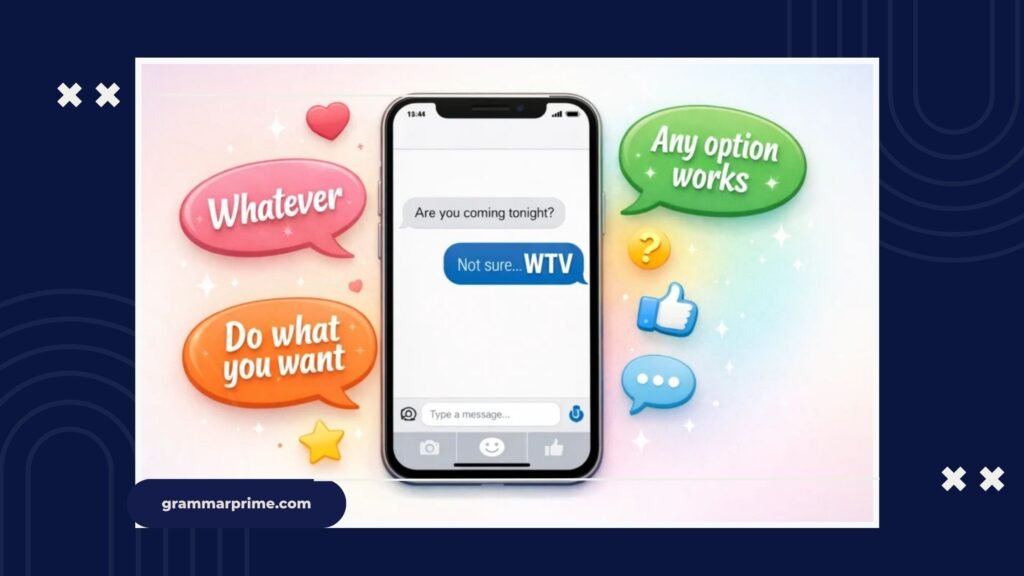
The interpretation of “WTV” can shift dramatically in more heated discussions. For instance, it may subtly signal frustration or dismissal, where the speaker feels the conversation has devolved into triviality.
Examples in text:
Here are a few examples of WTV used in text:
- “I can’t believe you forgot our meeting, but WTV, let’s just reschedule.”
- “You didn’t like the movie I chose? WTV, I thought it was great!”
- “He thinks he’s going to win the competition. WTV, he doesn’t stand a chance.”
- “You want pizza for dinner? WTV, I’m good with anything.”
- “She couldn’t make it to the party. WTV, it was still fun!”
- “You didn’t finish your work? WTV, it’s not a big deal this time.”
These examples illustrate how WTV adds a layer of emotion without the need for excessive words, making it a staple in modern digital communication.
Origin & Background
WTV, or Web Television, emerged as a bold response to the shifting landscapes of media consumption in the early 21st century. As traditional television began to wane in popularity, the internet’s accessibility paved the way for a new era of video content, empowering creators to reach global audiences directly.
The rapid rise of platforms like YouTube and streaming services transformed how we perceive storytelling. As WTV continues to evolve, it challenges conventional norms, urging us to reconsider what authenticity and artistry look like in the digital age.
Real-Life Conversations
- Instagram DM:
Person A: “Did you catch that latest WTV episode? I couldn’t stop laughing at the plot twist!”
Person B: “I know right? They really surprised us this time! What do you think the next season will look like?” - TikTok Comments:
User 1: “Just posted my reaction to WTV! The ending had me shook! 😱”
User 2: “I need to watch your vid! The cliffhanger is insane; how are they going to wrap it up?” - WhatsApp Chat:
Friend 1: “Are you watching WTV this week? Heard it’s going to be a total game-changer.”
Friend 2: “Absolutely! Let’s binge it together this weekend? I want to see your reaction to the finale!” - Facebook Messenger:
Person X: “You’re going to love the latest episode of WTV! Pure masterpiece!”
Person Y: “OMG, yes! I’ve been waiting all week! Did you see the memes going around about it?” - Snapchat Story:
User A: “Just watched WTV and I’m emotionally wrecked! 😭”
User B: “Honestly, same! The characters are so relatable — total rollercoaster of emotions!”
Explore RD Meaning in Text: Shocking Truth Revealed
Usage in Different Contexts
Social Media
The abbreviation “WTV” often permeates the landscape of social media, functioning as a quick escape for those navigating the relentless pace of online conversations. It embodies a casual approach, allowing users to convey a sense of nonchalance about topics that may warrant deeper discussion. Yet, its overuse can dilute genuine engagement, resulting in misunderstandings among friends and followers who may misinterpret the intent behind a post.
Friends & Relationships
In friendships, using WTV can create a relaxed atmosphere, signaling that the sender isn’t overly concerned about the gravity of the conversation. However, this laid-back attitude might be misinterpreted by those who value more direct communication, potentially hurting feelings. For example, if someone is sharing personal dilemmas, responding with WTV could come off as dismissive.
Work or Professional Settings
Contrarily, employing WTV in professional settings can tread a fine line. While it might foster a casual dialogue among colleagues, it risk alienating individuals who expect professionalism, particularly in formal communications. Clarity and intent are paramount; WTV can undermine credibility and professionalism if misused.
Casual vs Serious Tone
Finding a balance between a casual and serious tone when using WTV is essential. It can signify laid-back banter among friends but can also serve as a red flag in more serious discussions, possibly leading to misinterpretations of one’s investment in a topic.
Many People Misinterpret WTV
Consequently, many people misinterpret WTV as indifference when, in reality, it can be a simple expression of “whatever.” This contradiction can create rifts in communication, highlighting the importance of context and tone.
Situations to Avoid WTV
- Serious conversations about emotions or conflicts
- Professional emails or proposals
- Important announcements or requests
- Discussions requiring clarity or direction
Navigating the nuances of WTV calls for mindfulness; knowing when to use it can improve your communication clarity and strengthen relationships, both personal and professional.
Is WTV Rude?
The perception of “WTV” as rude often hinges on the context and tone of its delivery. When uttered in a sharp or flat tone, it can come across as dismissive, signaling disinterest or even contempt. For instance:
- A friend shares an exciting life update, and you respond with a quick, “WTV!” instead of engaging. This can feel belittling.
- In a heated discussion, casually dropping “WTV” can suggest you’re not valuing the other person’s opinion, which can escalate tensions.
Conversely, the term can be harmless or even playful when used among close friends. For example:
- A group of friends makes last-minute plans, and someone quips, “WTV, let’s just go!” reflecting spontaneity rather than indifference.
- In a humorous text exchange, “WTV, I’ll wear what I want!” can signify confidence and banter without malice.
See also JFC Meaning Explained: When to Use It and When Not To
When Should You Avoid Using WTV?
While WTV (whatever) can lend a tone of casualness and approachability in certain conversations, there are key scenarios where its use can undermine your professionalism and clarity.
- Work Emails:
In formal communication, using WTV can come off as unprofessional, diminishing the seriousness of your message. When conveying important information or deadlines, clarity is paramount. - Job Interviews:
Here, every word counts. Using WTV might signal to interviewers that you lack commitment to the role or the conversation. Instead, opt for precise language that reflects your enthusiasm and qualifications. - Academic Writing:
In scholarly contexts, employing WTV detracts from the rigor of your argument. Precision and clarity are essential, and vague language can confuse readers or weaken your thesis. - Professional Communication:
In meetings or presentations, reliance on WTV can signal a lack of preparation. Clear, direct communication fosters respect and understanding, crucial for maintaining professional relationships and advancing agendas.
By being mindful of these situations, you can ensure that your language reflects the seriousness and professionalism appropriate for the context.
Alternatives to WTV
When it comes to expressing flexibility in choices, having a repertoire of phrases can make interactions smoother and more engaging. Instead of simply saying “WTV” or “whatever”, consider these alternatives that convey openness while adding a touch of personality to your response:
- That’s fine
- Either works
- No preference
- It’s up to you
- Doesn’t matter to me
Regional & Cultural Usage
In the vibrant tapestry of language, regional and cultural nuances emerge distinctly between the US and the UK, reflecting different societal values and communication styles.
- US Examples:
Saying “I’m going to take a nap” conveys a straightforward need for rest. - UK Examples:
Responding to an inconvenience with “That’s a bit awkward” subtly conveys discomfort without overt confrontation.
Younger audiences, particularly Gen Z and Millennials, advance this linguistic evolution.
- Millennial Example:
Phrases like “adulting” denote the struggle of growing up and managing responsibilities. - Gen Z Example:
The term “vibe check” has become a cultural staple, assessing the emotional landscape among peers.
Conclusion
Understanding the meaning of ‘WTV’ in text messages can enhance your communication skills and help you navigate casual conversations more effectively. This abbreviation serves as a versatile expression that conveys a range of sentiments, from indifference to nonchalance.
As texting continues to evolve, keeping up with popular slang and acronyms like ‘WTV’ is essential for staying connected with friends and family. By familiarizing yourself with these phrases, you can ensure that your messages are both clear and relatable.
FAQs
What Does WTV Mean for a Girl?
WTV for a girl typically means “whatever,” indicating casualness or indifference in conversation.
What Does WTV Mean in Dating?
In dating, WTV suggests a laid-back attitude, often implying that the person is open to various ideas or suggestions.
How to Respond to WTV in Text?
You can respond to WTV by either engaging further with a question or expressing your opinion, based on the context.
What Does WTV Mean for Short?
WTV is short for “whatever,” often used in casual conversations to express nonchalance.