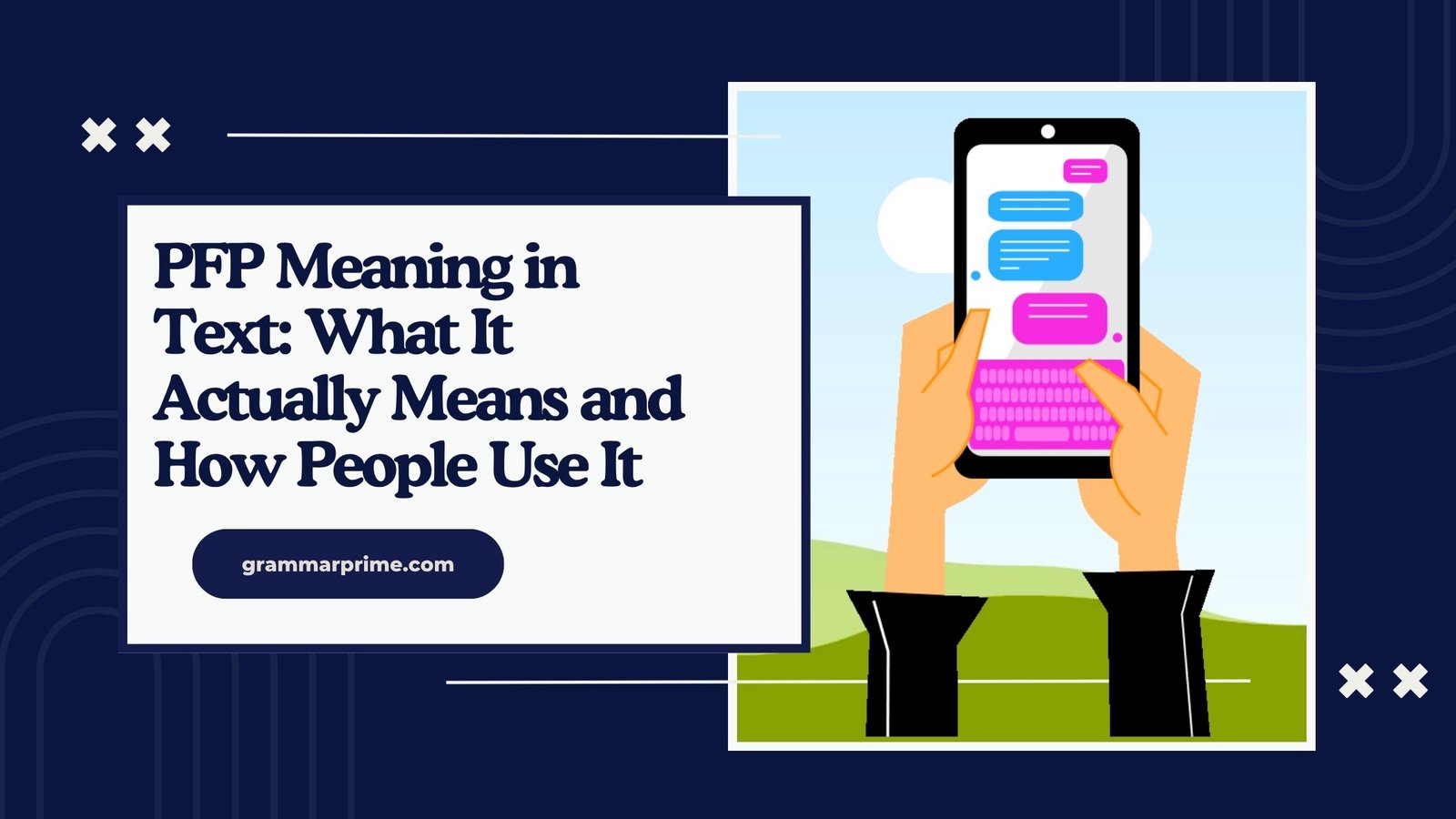
PFP Meaning in Text: What It Actually Means and How People Use It
If you have ever received a message like “nice PFP” or “why did you change your PFP?” and had no idea what the person was talking about, you are not alone. Internet slang moves fast, and it is easy to fall behind, especially when the people using it are not exactly stopping to explain themselves.
This post breaks down the PFP meaning in text in plain language, covers where it came from, how it is used across different platforms, and what you should know before using it yourself.
What Does PFP Mean in Text?
PFP stands for Profile Picture. It refers to the image a person uses to represent themselves on a social media account, messaging app, gaming platform, or any online space where an account has a visual identity attached to it.
When someone mentions your PFP in a text or chat message, they are talking about the photo, illustration, or icon sitting next to your username. That is it. Nothing complicated about it.
You might see it written as pfp (all lowercase) or PFP (capitalized). Both mean the same thing. The lowercase version is more common in casual chats, while the capitalized form sometimes shows up in more deliberate writing.
A few everyday examples of how it appears in conversation:
- “Your PFP is really cute. What app did you use for that?”
- “I have been using the same PFP for two years, time to change it.”
- “Send me that photo, I want to use it as my PFP.”
Does PFP Have Any Other Meanings?
PFP usually stands for Profile Picture in the majority of popular texting and social media situations. But there are a couple of secondary meanings of which you might want to be aware.
Another meaning of the acronym is picture for proof. This typically occurs when someone is purchasing or selling a product, such as in an online marketplace or group chat. When someone wants a picture proof of a thing before making any deal, he or she may request a “PFP”.
The abbreviation is also used professionally or medically, in non-slang use. In medicine, PFP means Patellofemoral Pain Syndrome, while in business & HR, it means Pay for Performance. These meanings are not associated with texting jargon and will probably not be used in informal communication.
When it comes to the word PFP, the answer is almost always Profile Picture.
Where Did the Term PFP Come From?
The word did not appear overnight. It grew gradually as social media platforms expanded and users started looking for faster ways to communicate.
In the early days of social platforms like MySpace and early Facebook, people generally referred to their account image as a “display picture” or DP. That term was especially popular in South Asia and parts of the UK.
As platforms like Instagram, Twitter, Discord, and TikTok took over, the language around them shifted too. Gaming communities in particular played a big role in spreading the term “PFP.” On platforms like Discord and Steam, where identity is closely tied to your avatar or profile image, users began shortening “profile picture” to pfp out of convenience. It caught on fast.
By the mid-2010s, the term had moved out of niche gaming communities and into mainstream online conversation. Today, it is used casually by teenagers, content creators, and even adults who spend time on social platforms, whether they realize they are using slang or not.
How PFP Is Used Across Different Platforms
The word is the same everywhere, but the context around it changes depending on where you are online.
Instagram and TikTok

PFP is all about aesthetics on visual platforms such as Instagram and TikTok. Online users make comments on one another’s profile pictures, share concepts for new profile pictures, and sometimes even develop an entire personal “brand” around a consistent profile picture. TikTok videos can be found asking followers to vote for which PFP to use, and there will be comments filled with opinions.
Discord and Gaming Communities
Discord communities take PFP culture seriously. Many servers have dedicated channels where members share new profile pictures and get reactions from others. In gaming chats, your PFP is part of your identity as a player. Teammates and opponents often recognize each other by their avatars before they ever read a username.
WhatsApp and Everyday Texting
In private messaging, PFP comes up more personally. A friend might notice you changed your photo and bring it up, or you might ask someone to send you a picture specifically to use as a profile image. The conversation is usually low-stakes and casual.
Dating Apps
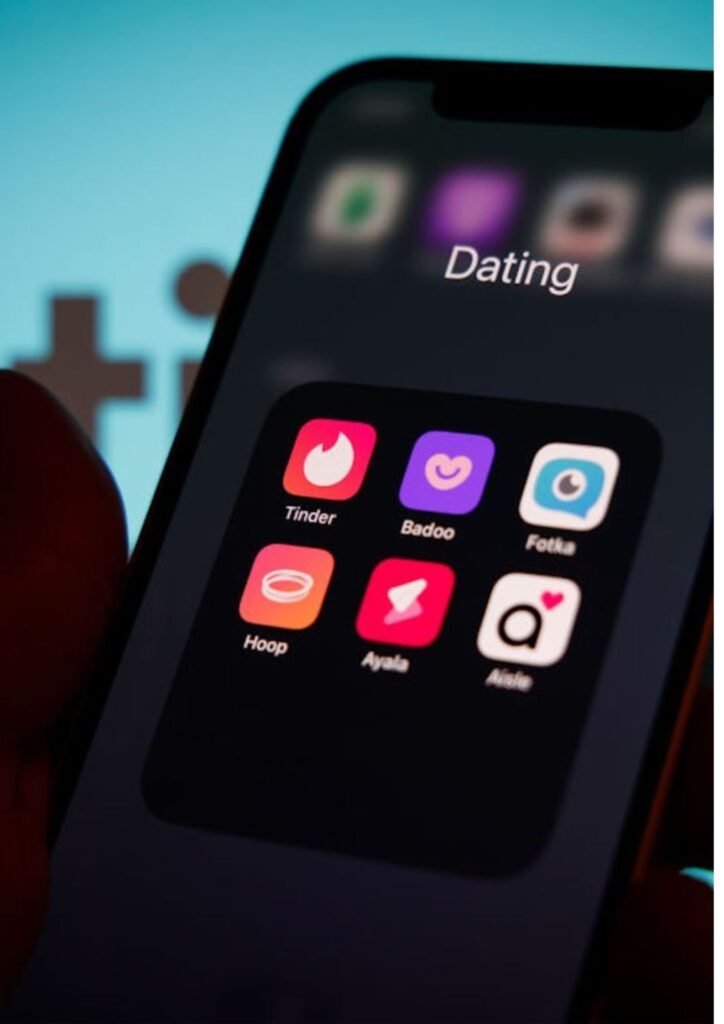
On dating platforms, the PFP carries more weight. It is usually the first thing another person sees, so comments about someone’s PFP in that context are often more deliberate, whether it is a compliment, a question, or a conversation starter.
PFP vs DP: Is There a Difference?
It can be easy to confuse the two words and think they are interchangeable. Stylistically, they do mean the same concept: the image you have attached to your account.
The previous, more common term was “DP” (Display Picture), which was used, especially outside of the United States. The newer version is “PFP,” and it is more popular amongst younger users and gaming or Discord communities.
A person from India or any other South Asian country, or even the UK, will text you “DP” when they are talking about the same thing as pfp. In terms of meaning, ‘welfare’ and ‘social support’ mean the same thing, but in terms of source and regional preference, one is different from the other.
How to Respond When Someone Mentions Your PFP
Typically, the comment on your PFP is casual and not serious. This is what you can do without overthinking.
A simple “thanks!” will suffice if it is complimented by anyone. If you wish, you can also share where the image is from.
When asked, give a natural reason for the change. People change their profile pictures for a variety of reasons, whether it be because they have found a new one they like, it is for a season, or they are simply feeling bored with their previous choice.
If someone asks for ideas, consider it a regular creative discussion. They are simply asking for suggestions on the picture to use.
Most PFP references are simple and do not contain social nuances or complexities. It is as normal as someone saying “oh, that’s an interesting hairstyle!It is as easy as someone saying “oh, that’s an interesting hairstyle!”
Frequently Asked Questions
Is PFP only used by teenagers?
Not at all. While the term is more common among younger social media users, anyone who spends time on platforms like Discord, Instagram, or WhatsApp may use or encounter it. The term is simply informal, not age-restricted.
Can PFP be used negatively?
The word itself is neutral. However, like most languages, tone and context matter. Someone saying “your PFP is weird” may be joking or may genuinely be unkind. The word pfp is not offensive, but how someone uses it can be.
Should I use PFP in professional settings?
No. In professional emails, formal messages, or workplace communication, stick to “profile picture” or “profile photo.” PFP is casual slang and belongs in informal conversation.
What is a good PFP?
That depends entirely on the platform and what you want to communicate. On professional networks, a clear headshot works best. On social platforms, something that reflects your personality or interests tends to get the most positive responses. On gaming platforms, creative avatars or fan art are common and well-received.
Conclusion
The meaning of PFP in text is simple: it is an acronym for Profile Picture. A form of internet jargon that originated in gaming forums and social media that’s now common in online chatter.
You’re almost always in a safe setting when someone compliments your PFP, asks you to change it, or wants your assistance deciding on a PFP, and the topic seems like it runs itself after you learn what it is.
Learning some common online jargon, such as PFP, allows you to use the internet without any hesitation, without second-guessing yourself, and communicate in a more natural way. The Internet changes languages rapidly, but the fundamentals are never difficult to learn.